
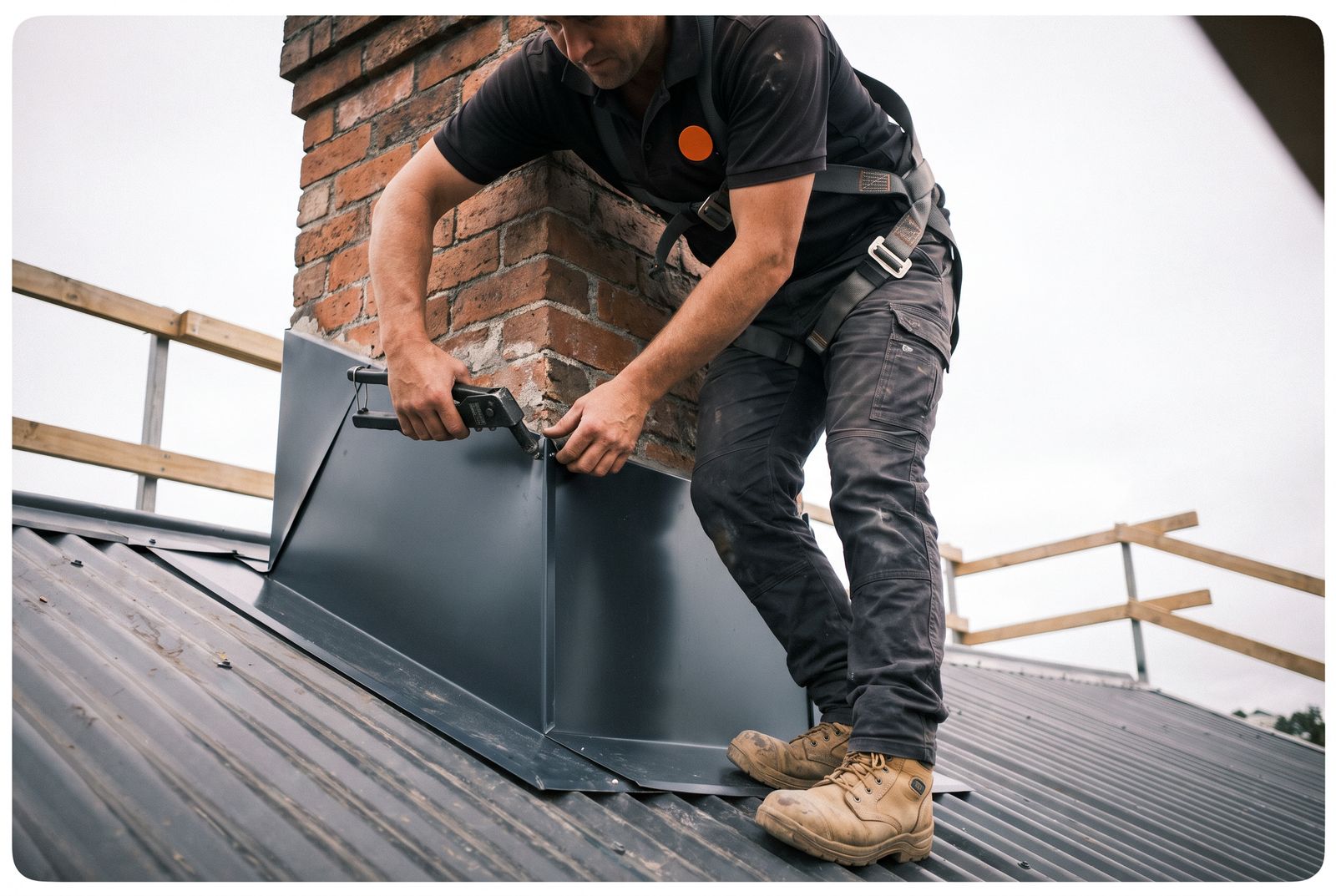
Canterbury's nor'wester is a föhn wind: hot and dry after crossing the Southern Alps, and capable of pushing Christchurch above 30 C before a southerly change arrives. On a roof, it finds whatever is loose. Most damage is minor, such as a strip of ridging or a run of spouting, but minor damage left alone lets rain in when the southerly follows.
This guide walks through what to look for, which roofs are most exposed, what to do first and how to find the wind zone your roof was built for.
What does wind damage look like on a roof?
Wind damage usually shows at the edges first: ridging lifted at one end, barge flashings bent back, sheets lifted along the eaves, or tiles and ridge caps moved out of line. Inside, a new damp patch on the ceiling after the rain that follows is often the first sign.
Wind pulls up on a roof rather than pushing down on it. The suction is strongest at the edges, corners and ridge, which is why those parts fail first and why fixings matter more than the sheet itself. Use the table as a checklist from the ground or an upstairs window.
| Where to look | Signs of wind damage | How urgent |
|---|---|---|
| Roofing sheets | Lifted edges, flapping, missing sheets | Urgent: make safe before the next wind or rain |
| Ridging and barges | Lifted ends, bent folds, missing screws | Soon: water and wind get under it |
| Concrete tiles | Slipped, cracked or missing tiles and ridge caps | Soon: leaks follow in the next rain |
| Spouting | Pulled from brackets, twisted, joins split | Soon: overflow onto walls and foundations |
| Inside | New ceiling stains, damp insulation | Book a leak check |
Which roofs are most at risk in a nor'wester?
Roofs with old or corroded fixings, rotten purlins, loose ridging and lightweight add-ons such as lean-tos and carports are most at risk. Exposed sites are at more risk than sheltered ones, because wind loading is set using the site's terrain, shelter and topography.
Hills raise wind speed, so a house high on the Port Hills is generally more exposed than one on the flat in a sheltered street, although the actual design wind for any house is set for that site. Coastal sites without shelter take more wind too.
Age matters as much as place. Older iron roofs were often fixed with nails, which can work loose over decades of heating and cooling, while modern roofs use screws at specified spacings. A roof that has rattled for years is telling you something before the big wind arrives.
- Nailed iron roofs with fixings popping up
- Ridging and barges with missing or rusted screws
- Lean-tos, verandahs and carports tacked onto the house
- Tile roofs with old ridge bedding
- Spouting with wide bracket spacing or soft fascia
What should I do first if sheets have lifted?
Stay off the roof, keep people away from the side where sheets could fall, and call for a make-safe repair. Do not try to hold down a loose sheet in the wind: a lifting sheet of steel is sharp and heavy, and WorkSafe treats roof work as high-risk even in calm weather.
Then work through these steps:
- Take photos and video from the ground or a window, with dates
- Move valuables and electrics away from any leak inside
- Put buckets or towels under drips and turn off lights near wet ceilings
- Call your insurer to report the damage and ask what they need
- Book a roofer to secure or cover the roof before the southerly
- Keep receipts for emergency repairs and temporary covers
Roof damaged in the wind?
We will make the roof safe, repair the damage and supply photos and a report for your insurer.
Does house insurance cover wind damage?
Only your insurer can tell you, because cover depends on your policy wording, excess and the condition of the roof before the storm. Read the policy and call them before major repairs start.
NHCover through the Natural Hazards Commission Toka Tū Ake (formerly EQC) is for specified natural hazards such as earthquake and landslide, so for wind damage to the house, your private policy is the one to read. Many policies treat gradual wear differently from sudden storm damage, so photos and a written roofing report help show what happened.
We cannot promise any insurance outcome. What our storm damage roof repairs service does supply is photos of the damage and a report on what failed and why, which is the information insurers usually ask for.
How do I find my roof's wind zone?
Your roof's wind zone is on its consent plans, and BRANZ Maps lets you look up the wind zone and other site data for an address. NZS 3604 sets wind zones from the site's region, terrain, shelter and topography, so neighbours can be in different zones.
The wind zone decides how closely purlins and fixings are spaced, which fasteners are used and how flashings are held down. A repair should match or beat the original specification. We do not state a wind zone for any suburb, because it is set per site and the plans or a lookup are the reliable source.
How can I make my roof more wind resistant?
Replace old nails with screws, refix ridging and barges at the right spacing, renew rotten purlins and check that lean-tos are fixed down properly. These jobs cost far less than a storm repair.
If the roof is near the end of its life, a re-roof is the point at which everything is brought up to current fixing requirements for your site. On tile roofs, rebedding and repointing ridges and replacing broken tiles keeps the wind from getting a grip. For spouting, closer bracket spacing and sound fascia boards stop it peeling away.
When should you call a roofer after a nor'wester?
Call straight away if sheets or flashings have lifted, and book a check within days if you see loose ridging, displaced tiles or a new stain. Cheeky's Roofers can make the roof safe first, then repair it properly once the wind drops.
For smaller problems, such as a few loose screws or a slipped tile, our general roof repairs service covers it. If you are not sure whether there is damage at all, a roof inspection gives you photos from up close. Hill homes deserve particular care; our page for roofers in South Christchurch and the Port Hills explains how we approach exposed and steep sites.
Summary
After a nor'wester, check edges, ridging, tiles and spouting from the ground, and stay off the roof if anything has lifted. Insurance depends on your own policy, so photograph everything and call your insurer early. For anything loose, book online and Cheeky's Roofers will repair it before the southerly brings the rain.
Frequently Asked Questions
Can I tarp the roof myself?
Only if you can do it from a safe position without climbing onto the roof, which is rare. Tarps catch wind and can pull a person off a ladder. A roofer with edge protection is the safer option, especially while the wind is still blowing.
Why does the damage often show after the southerly, not the nor'wester?
The nor'wester is dry, so it loosens and lifts without rain. The southerly change that usually follows brings rain, which then finds the gaps the wind opened. That is why it pays to check the roof as soon as the wind drops.
Are tile roofs worse than steel in the wind?
Each fails differently. Tiles can slip or lift individually, and ridge caps loosen as bedding ages. Steel sheets rely on their fixings, and loose sheets can peel back along a run. Both stand up well when fixed to the site's wind zone.
Should I get the roof checked if nothing looks wrong?
A rattle or flapping noise during the wind is worth a check even if nothing looks wrong from the ground. Loose fixings often show only from up close. An annual check before winter catches most problems early.
Will a heavy wind damage my skylights?
Skylights are usually robust, but the flashing around them can lift if it was poorly fixed. If a skylight starts leaking after a nor'wester, the flashing is the first thing to check.
Our Services
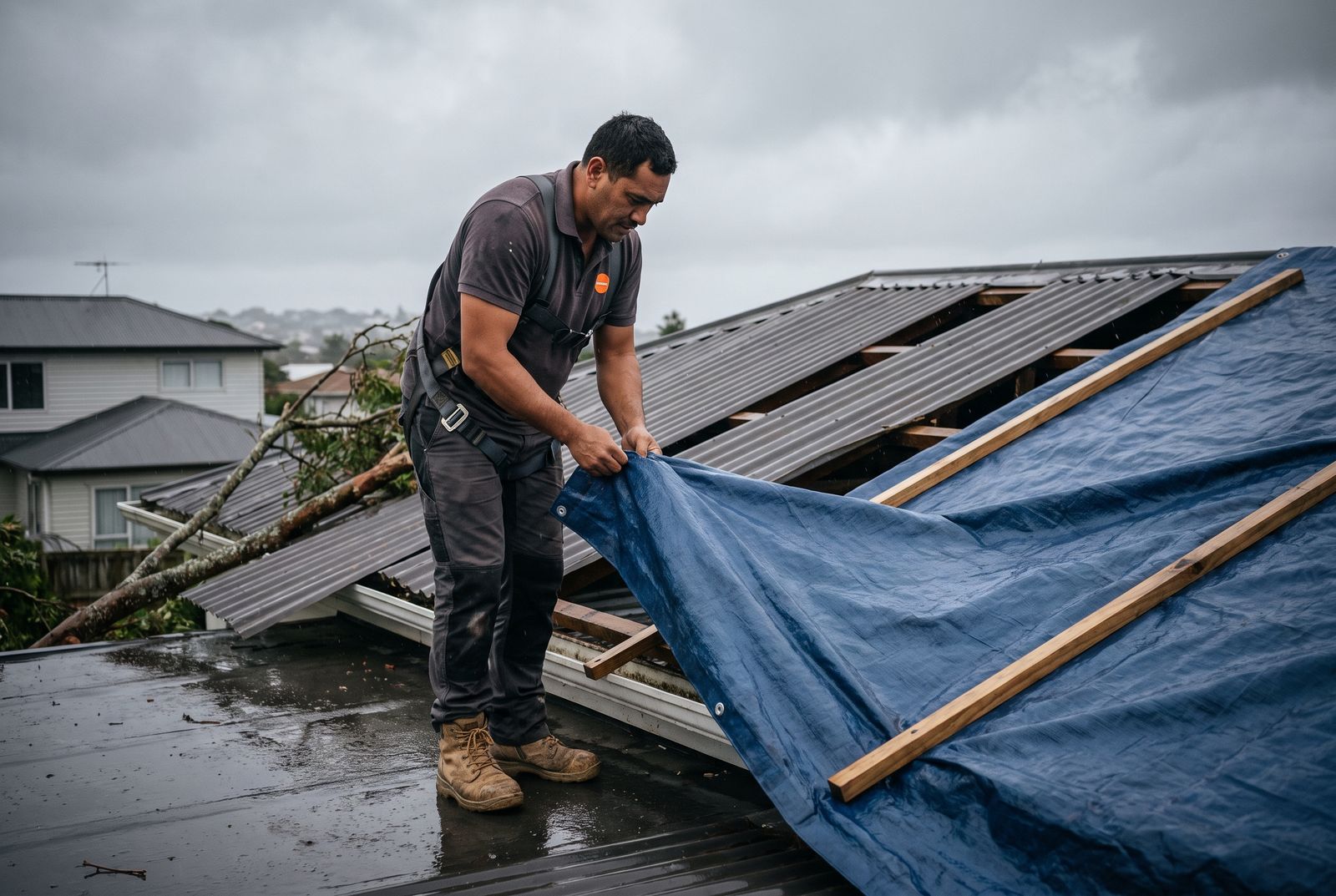 Storm Damage Roof RepairsStorm damage made safe fast, then repaired with the photos and reports your insurer needs.
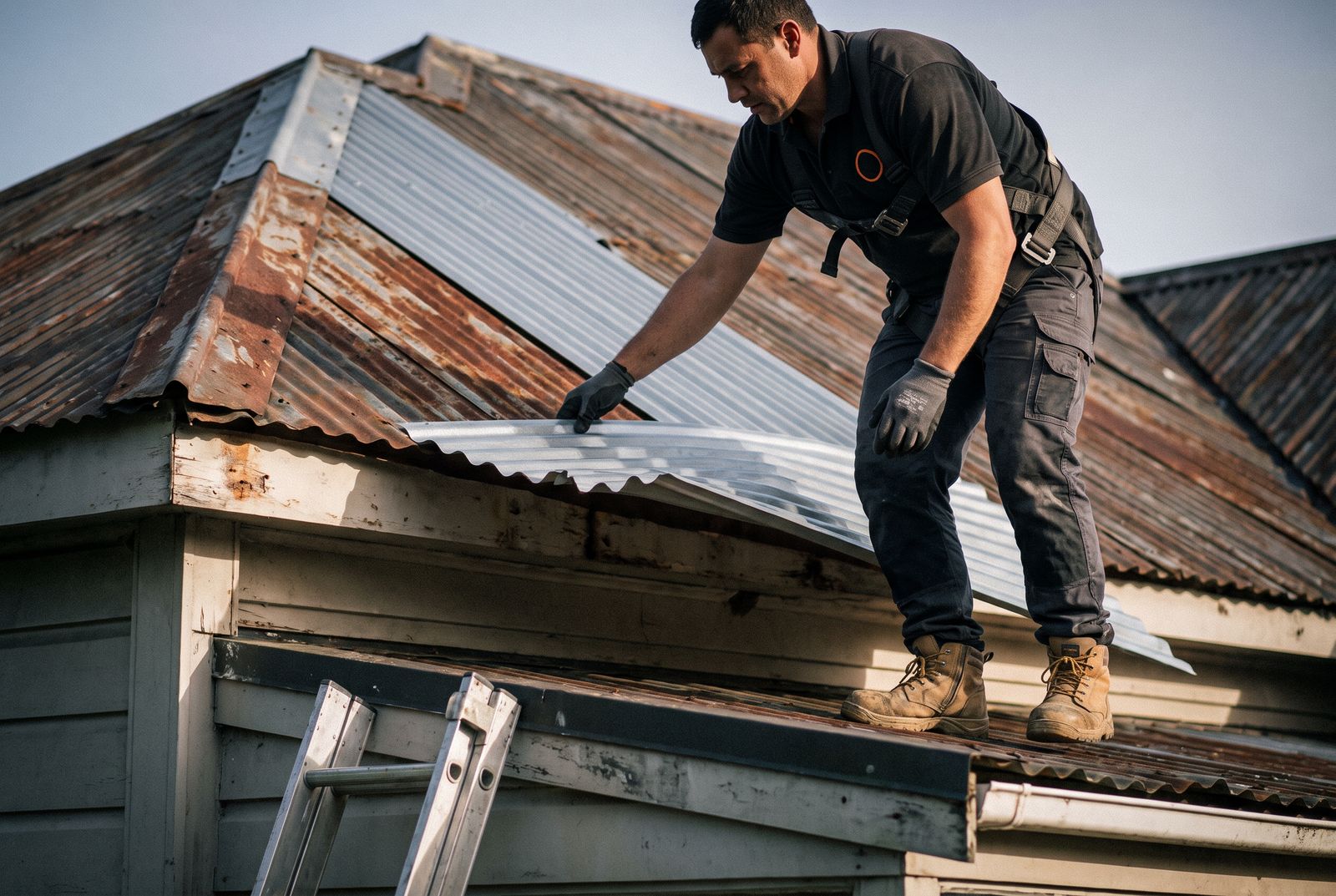 Roof RepairsLeaks, loose sheets, failed flashings and cracked tiles repaired properly, with photos of what we found and fixed.
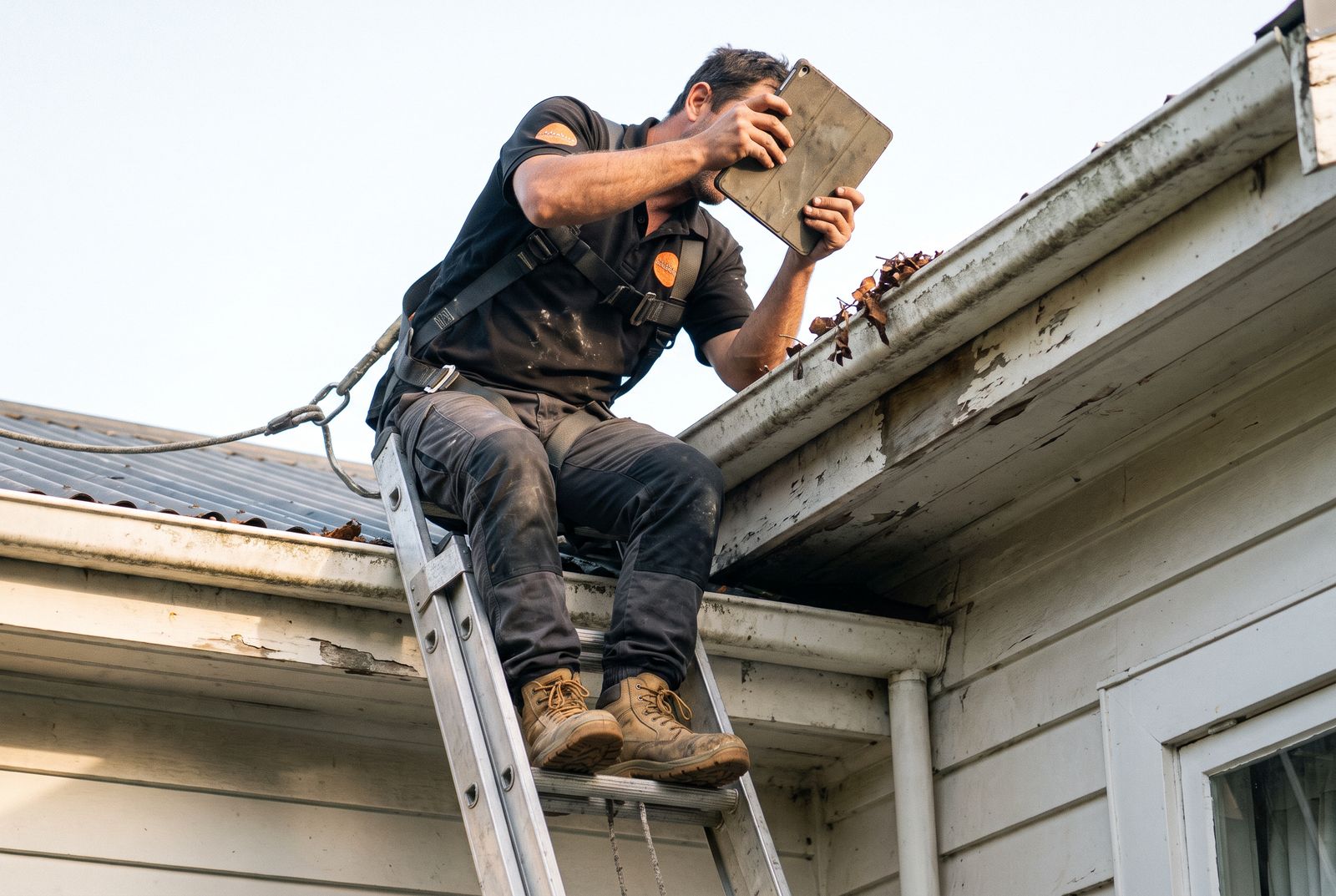 Roof InspectionsA detailed roof report with photos and honest repair or replace advice, for owners, buyers and insurers.
Read Next
Do Gutter Guards Work in Christchurch? Leaves, Snow and Nor'westers
Yes, gutter guards work well at keeping leaves and twigs out of spouting, which is where most blockages in Christchurch ...
Read article
Snow on Canterbury Roofs: Snow Load Zones, Spouting and When to Worry
New Zealand roofs are designed for a snow load set by the site's snow zone and altitude under the loadings standard and ...
Read article
Choosing a COLORSTEEL Colour for a Christchurch Roof: Heat, Frost and Covenants
The best COLORSTEEL colour for a Christchurch roof is one that suits the house, passes any covenant or heritage check, a...
Read article