
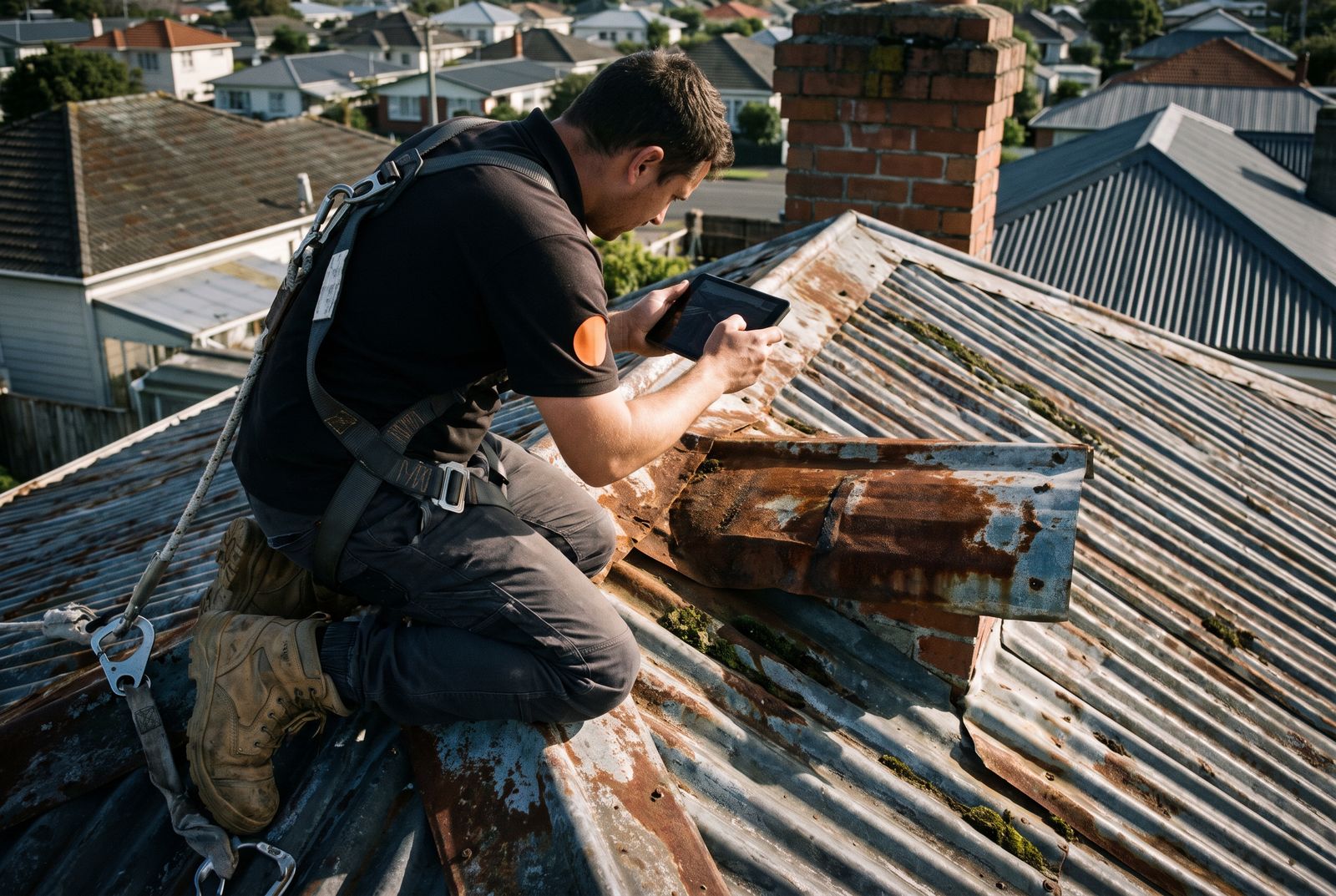
When a southerly brings snow to the plains, most Christchurch roofs carry it without trouble, because they were designed to. Problems come from roofs that have been altered, weakened by age or rot, or fitted with spouting that cannot take the weight of snow sliding off the roof.
This guide explains how snow loading works in New Zealand, how to find the figure for your house, what to do about spouting and when a roof after snow needs a professional look.
What are the snow loading zones in NZ?
New Zealand is divided into snow regions under the structural loadings standard, AS/NZS 1170.3, and the design snow load for a building depends on its region and its altitude. NZS 3604, the standard most timber houses are built to, sets a basic snow load and has a separate section for sites with higher loads.
In other words, two houses in the same district can have different design loads if one sits higher up. A house on the flat plains and a house high on the Port Hills or in the foothills are not designed to the same figure, even if they are only a short drive apart.
MBIE has also clarified minimum ground snow loads for some low-altitude parts of the country because the standard underestimated the snow those areas can get. That clarification matters to designers and is applied at consent stage; as a homeowner, the important point is that the right load for your site is worked out for the site, not guessed from the town name.
How do I find the snow load for my house?
Look at the consent plans or structural notes for your house, which state the design snow and wind loads the roof was built for. Christchurch City Council, Selwyn District Council and Waimakariri District Council hold property files that usually include these documents.
If the house is older than its records, or has been altered, a designer or engineer can work out the load for the site. We do not state a snow zone for any suburb, because it is set per site, and roofs in Canterbury are designed for snow load as well as wind.
- Consent plans and specifications for the original build or re-roof
- The property file from your council
- Engineer's notes for repairs or additions
- The roofing manufacturer's span tables used for the purlins
How much snow can my roof hold?
There is no single depth of snow a roof can hold, because wet snow weighs much more than dry powder and design loads vary by site. A roof built and maintained to its design load will carry the snow Christchurch normally gets.
What reduces that capacity is damage and change: rotten purlins or rafters, sagging old framing, notched or cut members from past work, and new loads added without a check. Heavy concrete tiles also mean the frame is already carrying more weight before any snow arrives, which is one reason a lighter roof is worth considering when tiles are due.
After a snowfall, watch for the signs in the table below. Most are about water, not collapse, but a few need a quick call.
| What you notice | What it may mean | What to do |
|---|---|---|
| Spouting bent outwards or pulled off brackets | Snow slid off the roof onto the spouting | Book a spouting check |
| Ceiling stain as the snow melts | Meltwater backing up under flashings or tiles | Book a leak repair |
| Ceiling sagging or cracking | Framing under strain | Leave the room and call a professional now |
| Doors sticking upstairs after snow | Frame movement under load | Get the roof structure checked |
| Ice in valleys and spouting | Water cannot drain while frozen | Wait for the thaw, then check outlets |
Spouting bent after the snow?
We will check the roof, spouting and flashings after a snowfall and send you photos of what we find.
Do I need snow straps on my spouting?
Snow straps are normal in snow-prone areas and worth having on any house where snow slides off a steel roof onto the spouting. They brace the front of the spouting so the weight of snow does not fold it outwards or tear it from its brackets.
Steel roofs shed snow in sheets once it starts to melt, and that snow lands on the spouting edge. Spouting with brackets at wide spacings, or brackets fixed to soft fascia boards, is the most likely to fail. When we replace spouting, bracket spacing and fixings are part of the quote, and straps can be added where the roof and site call for them.
If you have gutter guards, they need to be fixed well enough to take sliding snow too. Our guide to gutter guards in Christchurch explains what to look for.
Should I clear snow off my roof?
No, do not climb onto a roof to clear snow. A snowy or icy roof is extremely slippery, and the risk of a fall is far greater than the risk of a properly built roof failing under a normal Christchurch snowfall.
Snow in the city usually melts within a few days. In the meantime, keep paths clear below the roof edge in case snow slides off, keep downpipe outlets free so meltwater can drain, and check the ceiling for stains. If you see a ceiling sagging, leave the room and call for help rather than trying to relieve the load from above.
What happened to roofs in the 2006 Big Snow?
The June 2006 Big Snow hit South Canterbury hardest, and roofs collapsed in parts of the region while power was out for weeks in some areas. NIWA's historic weather records note falls of 75 to 90 cm at Fairlie and nearly 40 cm at Ashburton.
Christchurch city got less snow in that event than it did in 1992, so the 2006 damage was concentrated well south of the city. The lesson for Canterbury homeowners is not that city roofs are at risk every winter, but that a big event can bring loads well above an ordinary snowfall, and old or weakened roofs are the ones that suffer first.
Farm sheds, carports, pergolas and lean-tos built without a design load in mind are often the first to fail, because they are lighter and less carefully framed than the house.
When should you call a roofer after snow in Canterbury?
Call a roofer once the snow has gone if spouting has bent or pulled away, a leak appeared during the thaw, or you can see sagging lines in the roof. Cheeky's Roofers can carry out a roof inspection with photos, so you know whether you are dealing with a quick repair or a frame issue.
If you are building or extending, the design snow load is set at consent stage, and our new roof installation team works to the loads on your plans. Homes in the growing towns of Rolleston, Lincoln, Rangiora, Kaiapoi and Pegasus are often newer and built to current standards, but spouting and add-ons still deserve a check; see our page for roofers in Selwyn and Waimakariri.
Summary
Snow loads in New Zealand are set per site by region and altitude, and your roof's figure is on its consent plans. Most Christchurch roofs carry normal snowfalls safely; spouting and meltwater leaks are the usual casualties. Stay off a snowy roof, and book a free roof inspection if anything has moved.
Frequently Asked Questions
Do snow loads matter if I add solar panels?
Yes. Panels add weight and can change how snow builds up and slides. The installer should check the roof structure and fixings for the site's design loads. A roof inspection before panels go on is worth doing on an older roof.
Is a steel roof better than tiles in snow?
Steel sheds snow more readily once it starts to melt, which takes load off the roof but puts it onto the spouting. Tiles hold snow longer. Both work when designed for the site; with steel, the spouting edge needs more attention.
Can snow cause a leak if the roof is fine?
It can. As snow melts, water can pond behind ice in valleys and spouting and back up under flashings or tile laps. That leak often stops once the thaw finishes, but the cause is still worth fixing.
Do carports and pergolas need to meet snow loads?
Structures that need building consent are designed to the loads for the site. Exempt structures still need to be built well, but many light carports and pergolas are less robust than the house, so clear their snow from the ground if you can reach safely.
How often does Christchurch get snow?
On average about three times a year, with some years having none. Te Ara notes that southerlies occasionally bring snow to the plains along with hard frosts, so a cold southerly change is the usual warning.
Our Services
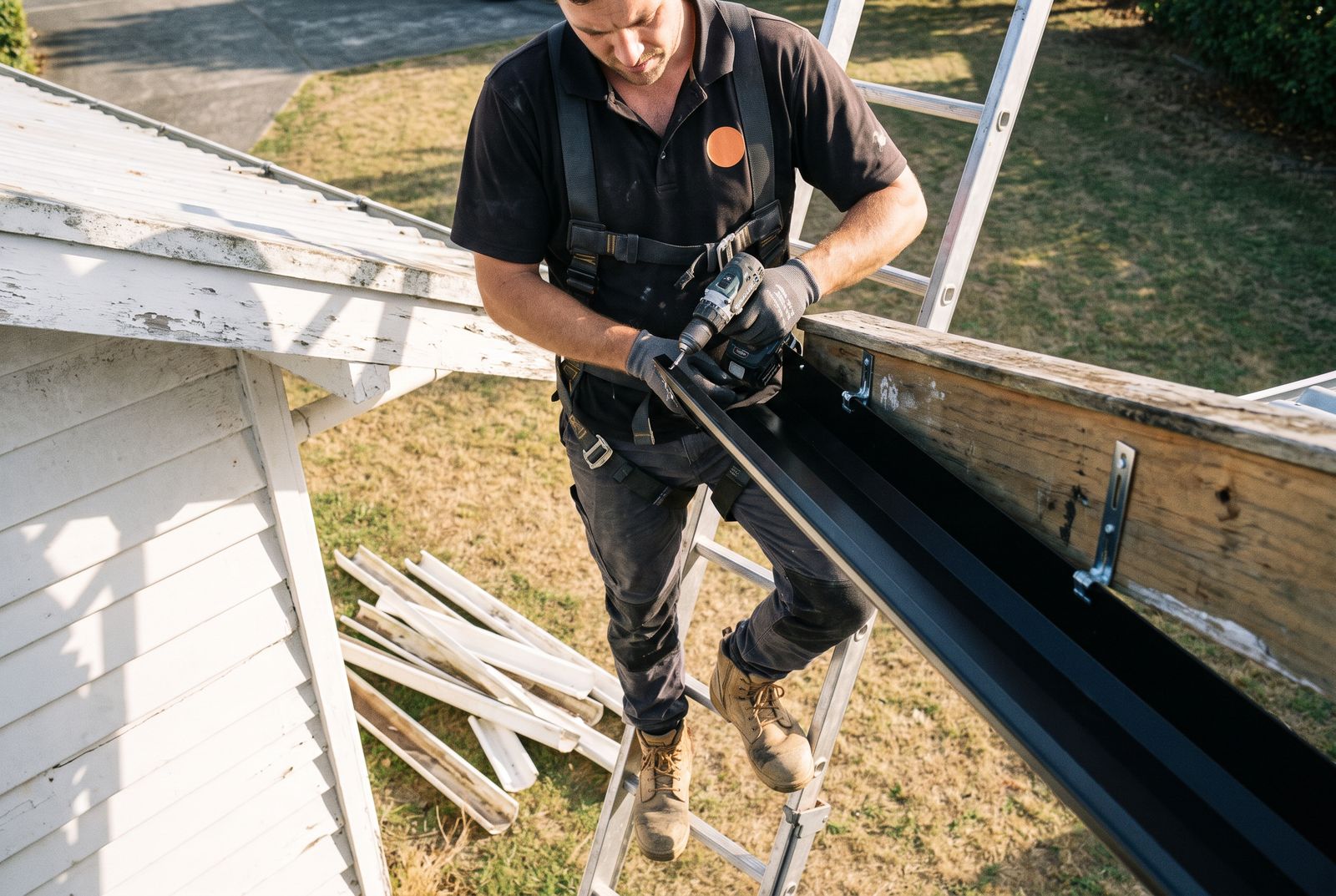 Spouting and GuttersNew spouting, gutter replacement and repairs in steel and PVC, sized to carry heavy downpours.
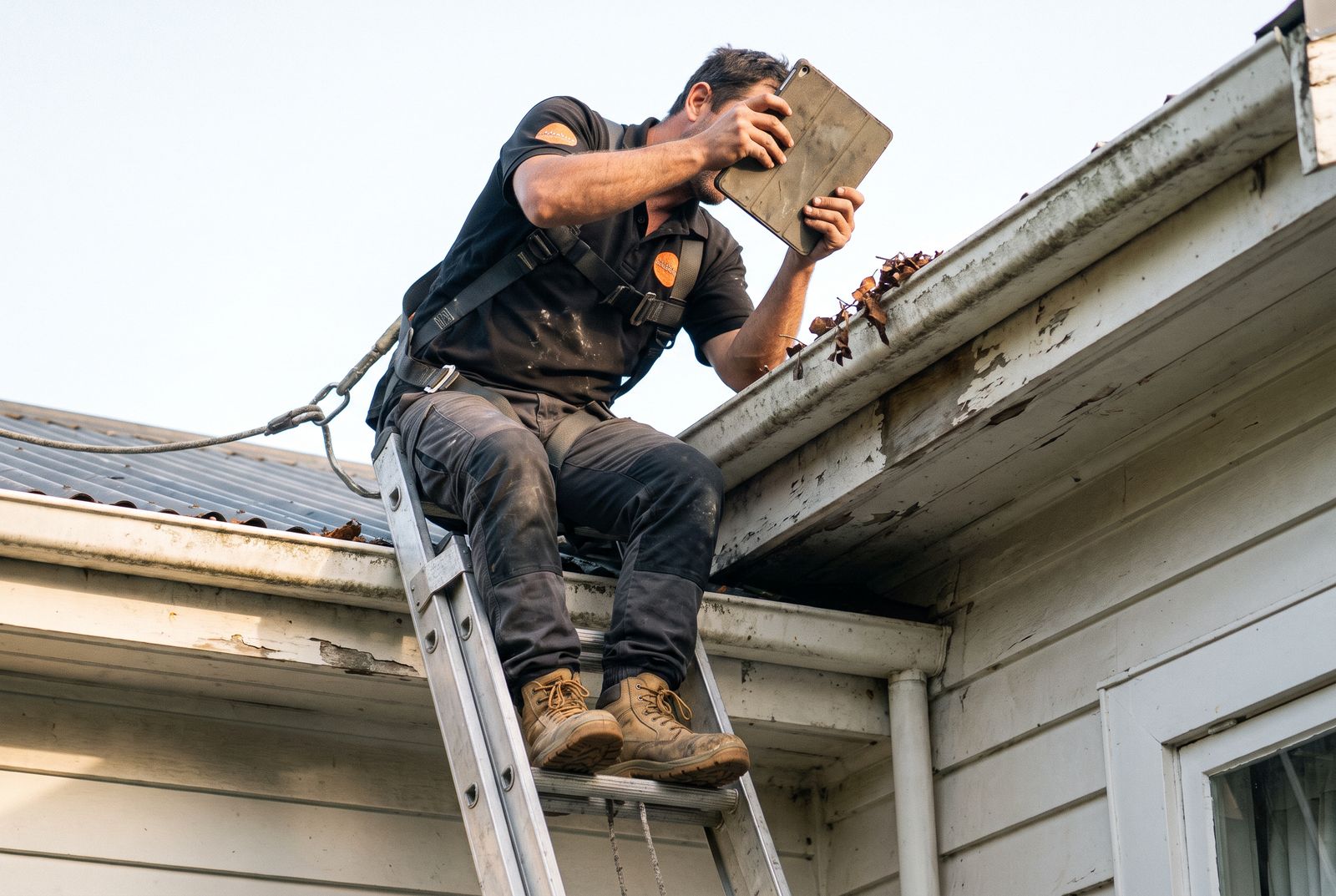 Roof InspectionsA detailed roof report with photos and honest repair or replace advice, for owners, buyers and insurers.
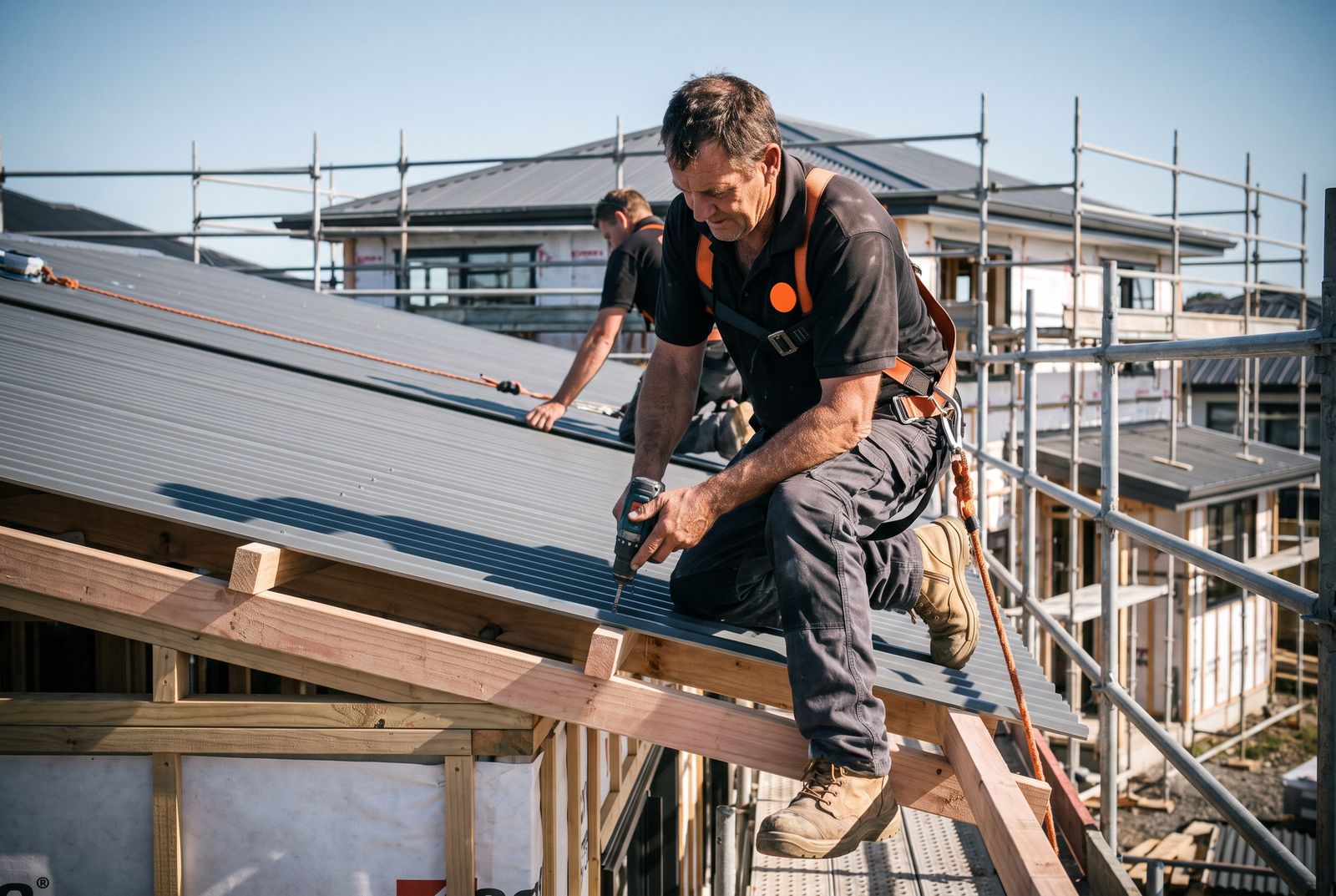 New RoofsNew roofs for new builds, extensions and minor dwellings, installed to plans and signed off for your Code Compliance Certificate.
Read Next
Do Gutter Guards Work in Christchurch? Leaves, Snow and Nor'westers
Yes, gutter guards work well at keeping leaves and twigs out of spouting, which is where most blockages in Christchurch ...
Read article
Nor'wester Roof Damage: What to Check After a Canterbury Windstorm
After a strong nor'wester, check from the ground for lifted or missing roofing sheets, loose ridging and barge flashings...
Read article
Heavy Tile Roofs and Earthquakes: What Christchurch Learned in 2011
Heavy tile roofs put more weight high on a house, and in the 2010 and 2011 Canterbury earthquakes older, heavier homes w...
Read article