
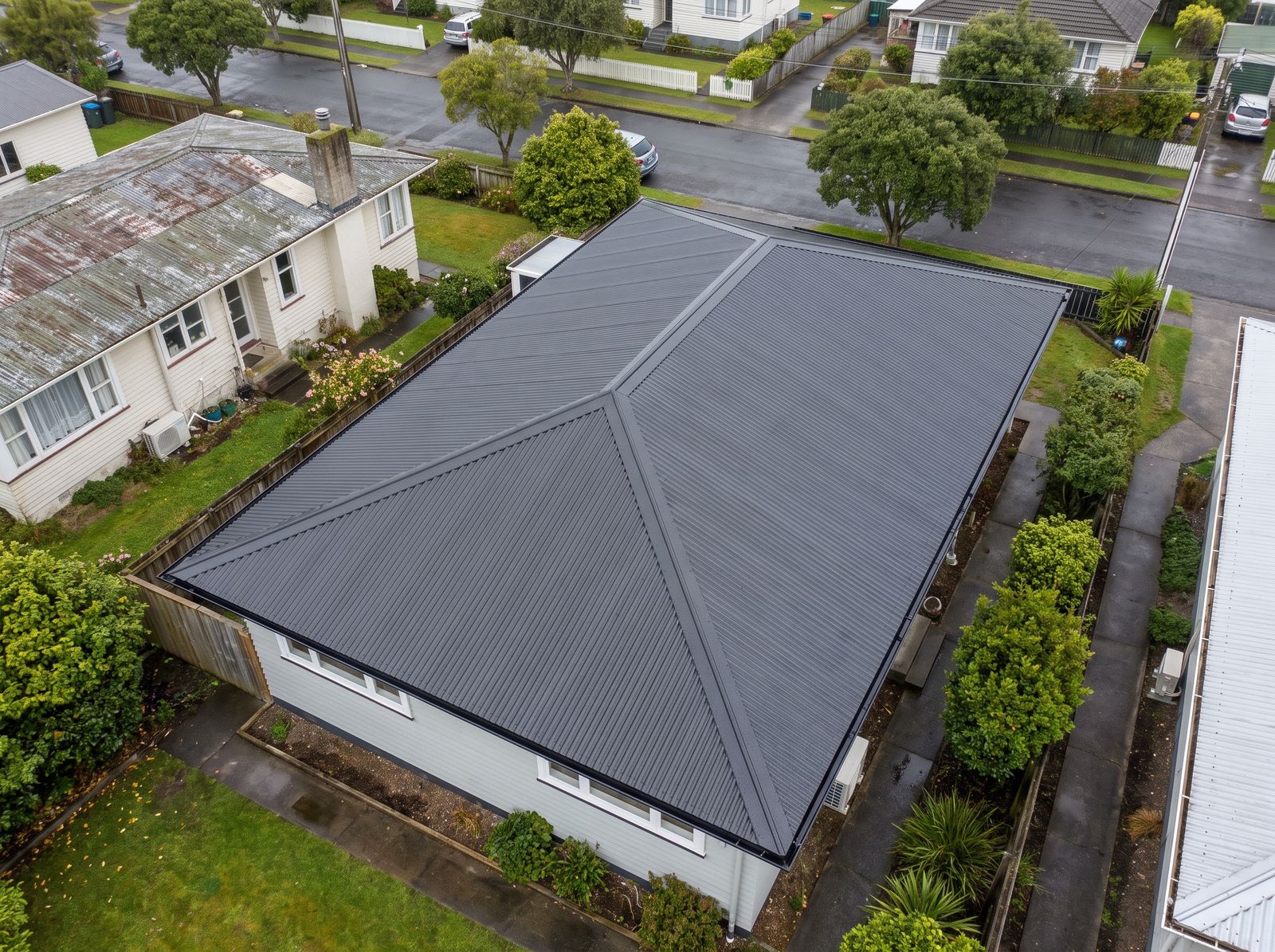
Solar panels are designed to sit on a roof for a long time. Once the rails are fixed and the cables run, everything under the array becomes harder and dearer to reach. That makes the roof the first thing to think about, not the last, and it is an easy part of a solar project to overlook.
This guide works through the questions Christchurch owners ask before they commit: consent, roof age, tile and decramastic roofs, Canterbury snow and the nor'wester, and the cost of lifting panels when the roof eventually needs replacing. It is written from a roofer's point of view, so it covers the roof and leaves panel sizing and power prices to the solar specialists.
Do I need building consent for rooftop solar?
Usually not. Since 23 October 2025, Schedule 1 of the Building Act has exempted roof-mounted solar arrays of up to 40 square metres in total from building consent, as long as the site's wind zone is no higher than High. The work still has to meet the Building Code, and the exemption carries conditions on how and where the array is fixed, which are set out on building.govt.nz.
Bigger arrays, or arrays on sites above the High wind zone, can still go ahead without consent under a separate exemption, but a Chartered Professional Engineer has to design or review the fixings, or the installer has to use a pre-engineered kit with that sign-off. Your wind zone is usually shown on the consent plans for the house, and councils publish wind zone information. Do not guess it from the suburb name: it is set for each site using the ground, the shelter around the house and the height of the roof.
Consent is only one approval. The electrical work needs a registered electrician and a Certificate of Compliance, and the lines company has to approve the connection. In Christchurch, Rolleston, Lincoln and Banks Peninsula that is Orion. North of the Waimakariri River, including Rangiora, Kaiapoi and Pegasus, it is MainPower. Both publish their own export limits and application steps.
How old can a roof be before adding solar?
There is no fixed age limit, but the roofing under the panels should comfortably outlast them, or you should plan to replace it first. Building Code clause B2 expects roof cladding to last at least 15 years, and many roofs go well beyond that with maintenance. The real test is condition, not the date on the plans.
A sound COLORSTEEL roof with plenty of coating left is an easy base. Older painted iron with rust at the laps and fixings is a different story, because the sheets that need attention first are often the ones the array would cover. If a roof is within a few years of needing replacement, doing the re-roofing before the panels go up costs less than paying to remove and refit them later.
The table below is a rough guide to what each common roof type usually needs before solar. It is general, and an inspection of your own roof is what settles it.
| Roof type | Before solar | Main thing to watch |
|---|---|---|
| COLORSTEEL longrun in good condition | Check fixings, laps and flashings | Brackets suited to the profile and the coating |
| Older painted or galvanised iron | Inspect for rust under the array area | Replacing sheets later means lifting the panels |
| Concrete tile | Check tiles, ridges and underlay | Cracked tiles from foot traffic and hook fixings |
| Decramastic | Check coating loss, rust and asbestos risk | Brittle tiles and possible asbestos-containing material |
| Membrane or low-pitch roof | Check seams, outlets and falls | Penetrations through the membrane |
Can solar go on a tile or decramastic roof?
Yes, but both need more care than steel, and on an older roof they are often the reason to re-roof first. On concrete tiles, installers usually fit hooks that sit under the tiles and fix to the framing. Tiles crack when walked on in the wrong place or when a hook is not packed correctly, and a cracked tile under a panel is very hard to see and replace.
Concrete tile roofs carry extra history in Christchurch. Engineering reports after the 2011 earthquake recommended replacing heavy roofs such as concrete tiles with lighter materials such as steel, and the Natural Hazards Commission Toka Tū Ake (formerly EQC) still suggests lighter roofing in its QuakeSafeHome guidance. If you were already weighing that change, a tile to metal re-roof before the panels go on solves two problems with one set of scaffolding.
Decramastic tiles are pressed steel with a stone chip coating. As they age they lose chip, rust from the inside and become fragile underfoot. Some older decramastic and bitumen-lined metal roofing can contain asbestos, and WorkSafe has guidance on removing it. Get the roof checked before anyone drills or walks on it.
Check the roof before the panels go on
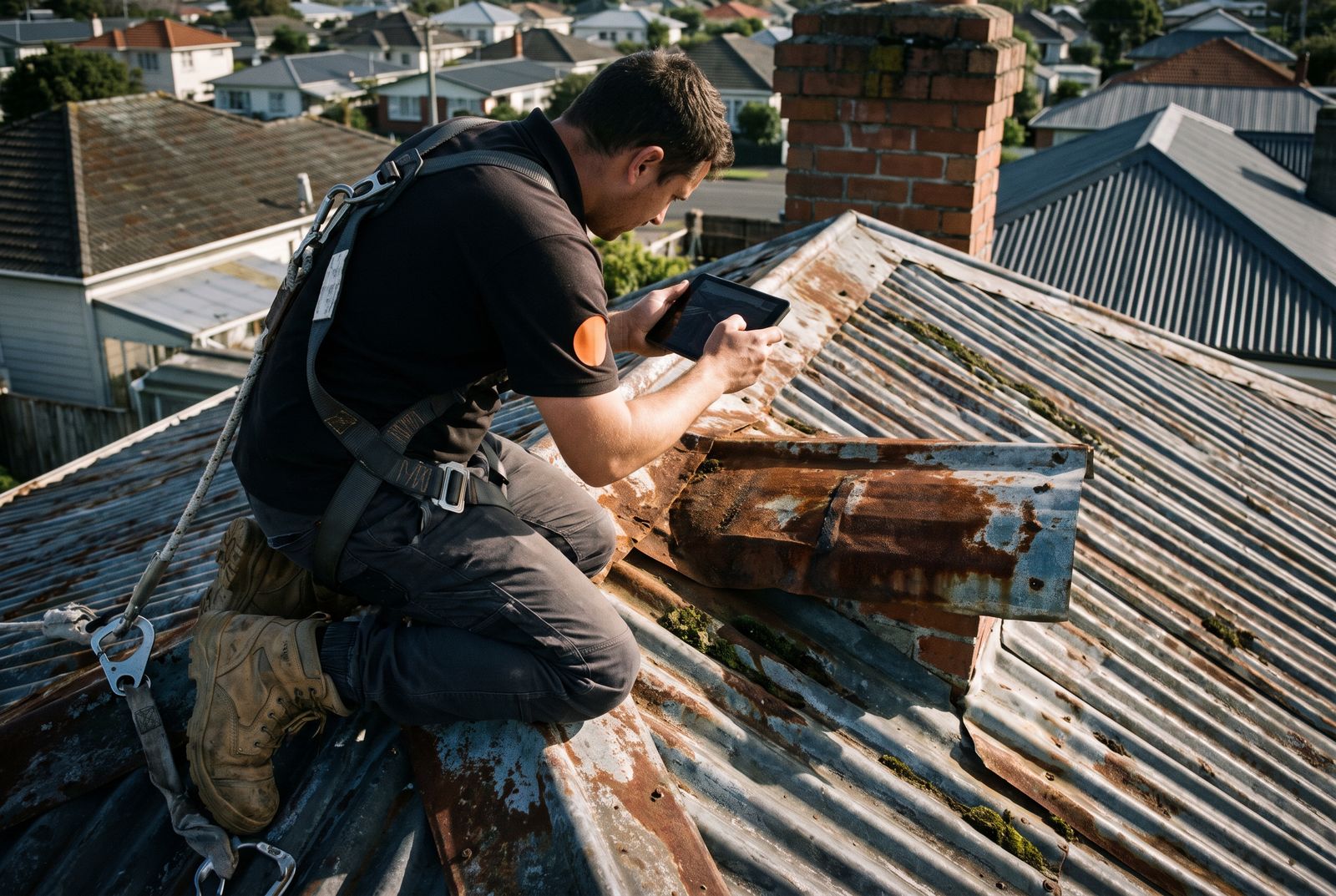
Cheeky's Roofers inspects the area under the planned array and gives you a written view with photos, so you know whether to repair, re-roof or go ahead.
Do panels add snow or wind load to a Canterbury roof?
Panels add a little weight and change how wind and snow act on the roof, so the fixings matter more than the extra mass. Roofs in Canterbury are designed for snow load as well as wind, and a solar array is fixed through the roofing into that structure, so each bracket has to be placed and sealed to suit the roof framing.
Wind is the bigger issue on most Christchurch roofs. The nor'wester is a hot, dry föhn wind that can reach storm force, and wind lifting the edge of an array pulls on every bracket. That is why the consent exemption is tied to the wind zone, and why arrays on higher zones need engineering.
Snow falls in Christchurch on average about three times a year. Panels are smooth, so snow tends to slide off them in one sheet, landing on spouting, paths or a lower roof. If the array sits above a doorway or a lean-to, talk to the installer and roofer about where that snow will go. Our guide to stopping condensation on frosty mornings covers the other winter problem that shows up in the roof space.
Which parts of the roof suit panels best?
In New Zealand, roof planes facing roughly north catch the most sun, so most arrays end up there. From a roofing point of view, the best plane is also one that is simple: a large, unbroken run of sheet with no skylights, flues or valleys in the way.
Every bracket is a fixing through the roof, and every cable entry is a penetration that needs its own flashing. Keeping the array clear of valleys, ridges and existing penetrations reduces the places water can find a way in. On hillside homes in suburbs such as Cashmere, where rooflines tend to be more complex and wind exposure is set site by site, it is worth agreeing the layout with the roofer before the installer arrives.
Check the spouting too. Leaves and debris collect under panels, and that material washes into the gutters below. A clean, sound gutter line under the array saves a lot of awkward work later.
What happens to the panels if I re-roof later?
They have to come off. An electrician or solar installer isolates and removes the array, the roofer replaces the roofing, and the array is then refitted and tested. The removal, storage and refit are a separate cost from the roof itself, and they need a registered electrician on the job.
Timing is the practical problem. Booking a solar crew and a roofing crew to work back to back takes planning, and a roof cannot be left open while one waits for the other. This is the strongest argument for dealing with a tired roof before the panels go up.
If you are not sure how long your roof has left, a written roof inspection with photos gives you an independent view. It also gives the solar installer a record of the roof's condition before their crew walks on it, which helps if a cracked tile or a dented sheet turns up afterwards.
When should a roofer look at the roof before solar?
Ideally before you sign the solar quote. Cheeky's Roofers checks the roofing, flashings, underlay and spouting in the area the array will cover, tells you what needs doing now, and says plainly if a re-roof should come first. If small roof repairs are needed, such as loose fixings, a tired flashing or a few cracked tiles, they are far easier to do with a clear roof.
We work across Christchurch and out to the Selwyn and Waimakariri towns, where many newer homes in growing areas such as Rolleston and Lincoln already have longrun steel roofs that suit solar well. You can book a time online or call us.
The short answer: most roofs can take solar, the consent exemption covers typical home arrays, and the roof's condition decides whether to fix, re-roof or go straight ahead. Get the roof checked first and you only scaffold once.
Frequently Asked Questions
Will fixing solar brackets affect my roof warranty?
It can. Steel roofing warranties come with conditions on fixings, contact with other metals and maintenance. Ask the installer which bracket system they use, confirm it suits your roof profile and coating, and keep the details with your roof paperwork. If you are unsure, the roofing manufacturer can confirm what it accepts.
Can panels go on a flat membrane roof?
Yes, using frames designed for low-pitch roofs, but every fixing through a membrane must be sealed with details that suit that membrane. Ballasted frames avoid some penetrations but add weight. A roofer should check the membrane's seams, outlets and remaining life first, because lifting an array to repair a membrane is slow and costly.
Should I tell my insurer about new solar panels?
It is sensible to tell your insurer about any significant change to the house, including a solar array. Policies differ on how panels and any roof damage linked to them are treated, so read your own policy or ask your insurer. We cannot tell you what a particular policy covers.
Do panels protect the roof underneath?
Partly. Shade from the panels reduces sunlight on the coating, but leaves, moss and bird nests can build up underneath and hold moisture against the roofing. Keep the gap under the array clear, and have the roofing and spouting near it checked when you do other roof maintenance.
Should I fix a roof leak before installing solar?
Yes. A leak under an array is much harder to trace and repair, and the installer may decline to work on a roof with known problems. Find and fix the leak first, then let the panels go on a dry, sound roof. It also gives you a clean starting point if anything changes later.
Our Services
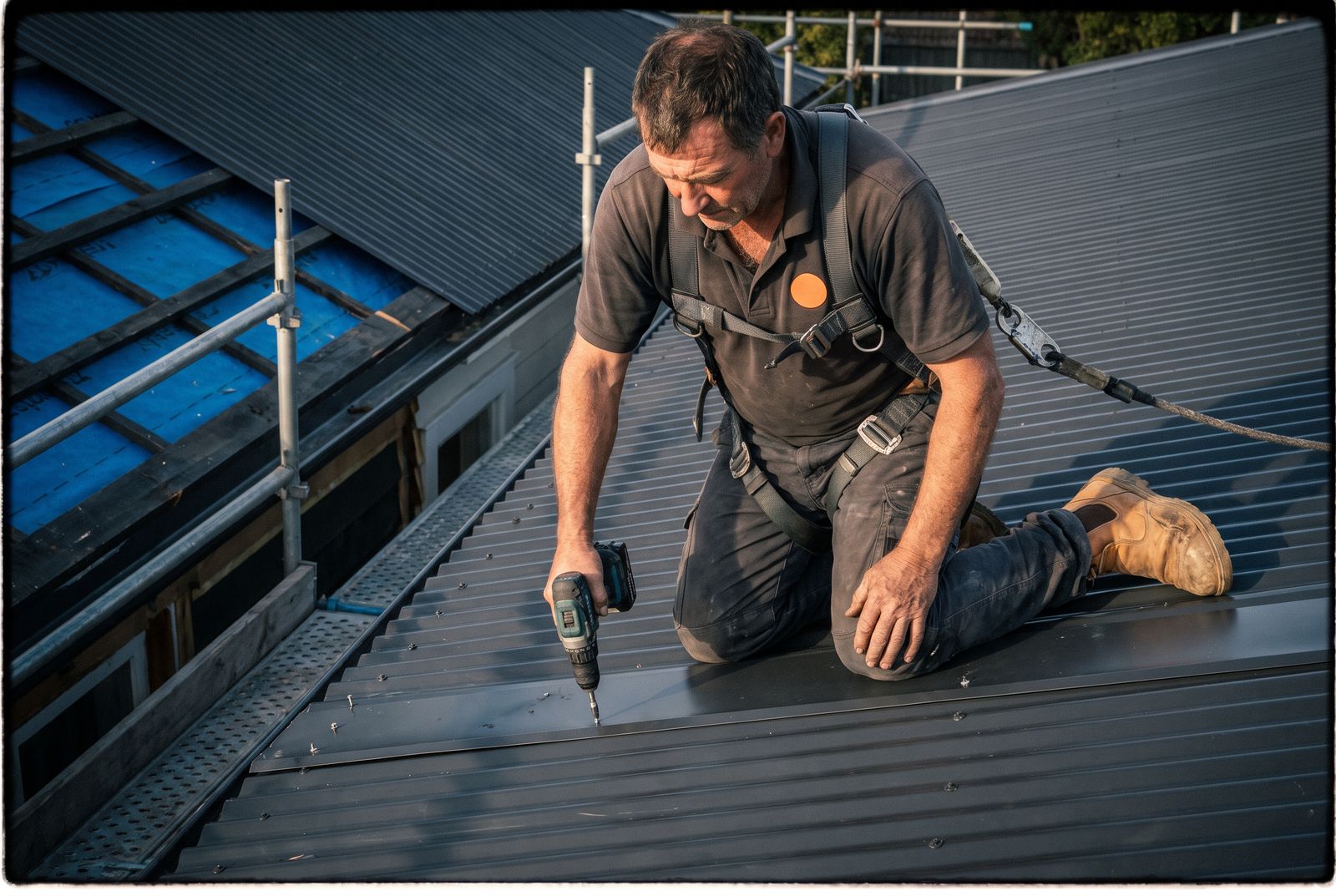 Re-RoofingA full re-roof replaces your old roofing, underlay and flashings with a new COLORSTEEL roof built to today's Building Code.
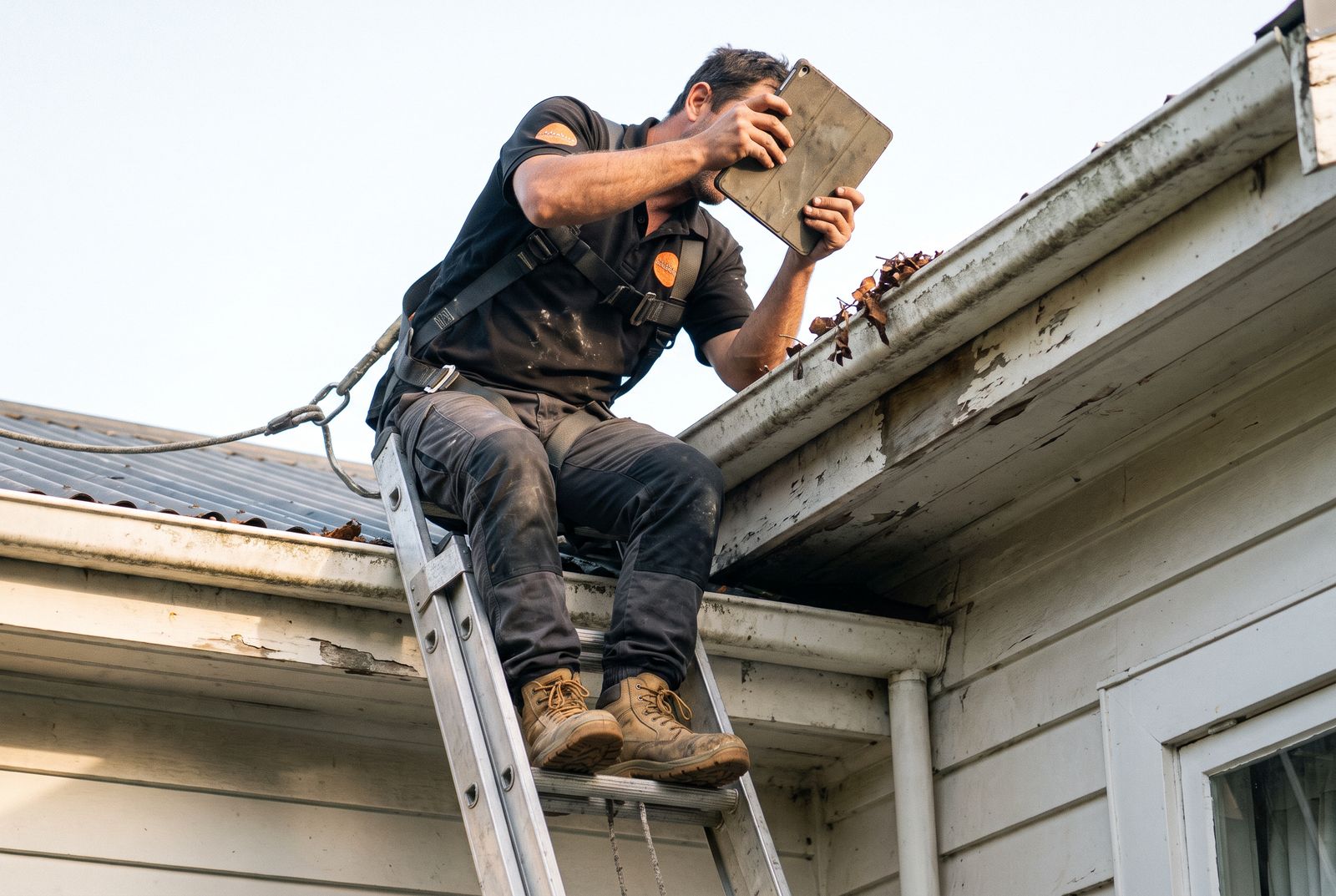 Roof InspectionsA detailed roof report with photos and honest repair or replace advice, for owners, buyers and insurers.
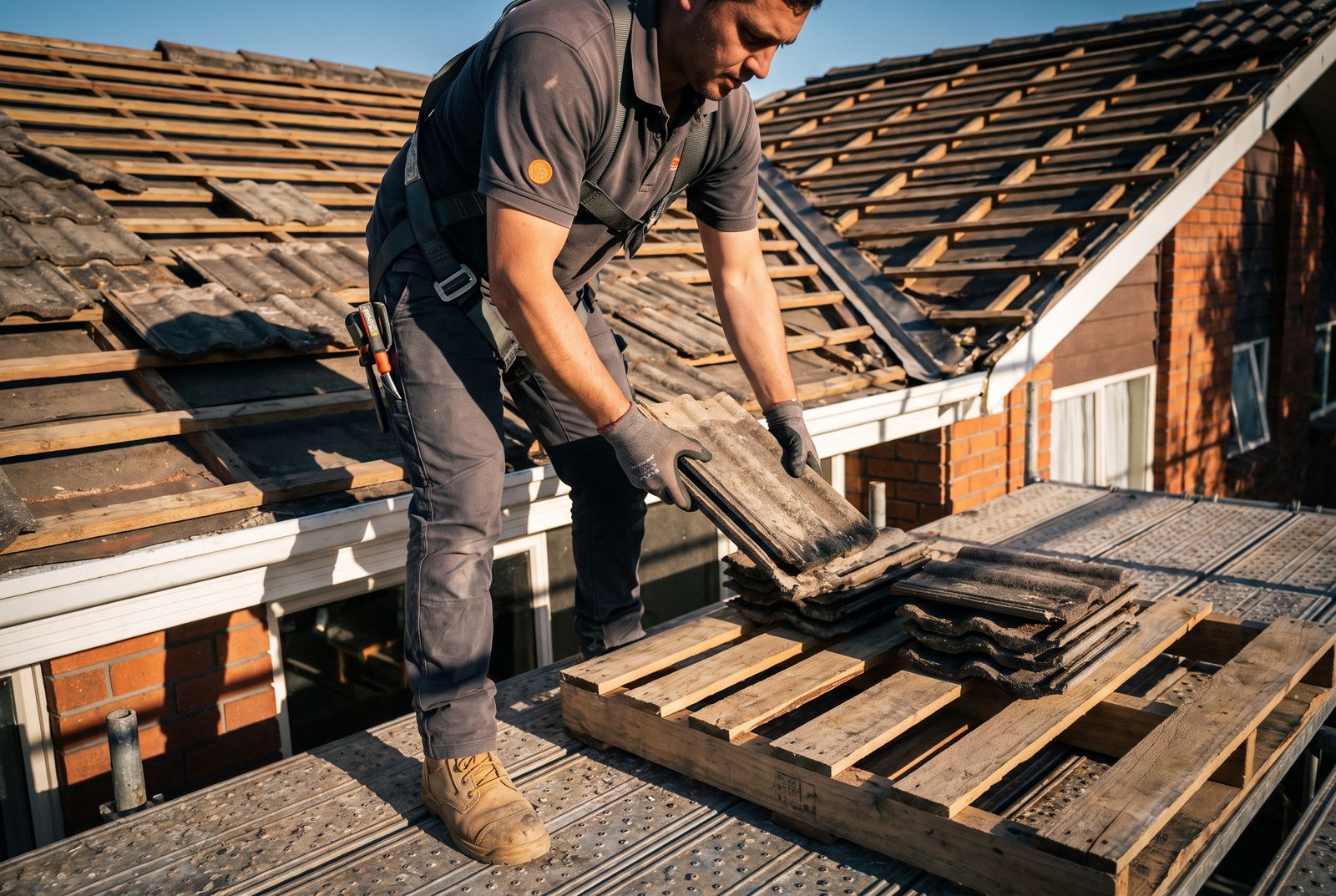 Tile to Metal Re-RoofingSwapping heavy concrete tiles for lightweight steel removes weight from the frame and ends the cycle of cracked tiles and leaks.
Read Next
Why Your Ceiling Drips on Frosty Christchurch Mornings
A ceiling that drips on a frosty Christchurch morning, with no rain overnight, is usually condensation rather than a lea...
Read article
Do You Need Building Consent to Re-Roof in Christchurch?
Usually not, if the new roof replaces the old one with comparable materials in the same position. Schedule 1 of the Buil...
Read article
Snow on Canterbury Roofs: Snow Load Zones, Spouting and When to Worry
New Zealand roofs are designed for a snow load set by the site's snow zone and altitude under the loadings standard and ...
Read articleSources
- building.govt.nz: Exemption 14.3, roof-mounted solar panel arrays under 40 square metres
- building.govt.nz: Exemption 14.4, roof-mounted solar panel arrays over 40 square metres
- Orion: Connecting your home or small business generation (March 2025)
- MainPower: Distributed generation
- WorkSafe: Removing metal cladding lined with asbestos-containing bitumen